
Sleep Map
The science behind your plan
The reading behind each part of your Sleep Map plan: light, timing, caffeine, alcohol, the bedroom, routines and when to seek help.
 Social jet lag
If your weekends run on later nights and long lie-ins, you may know the Monday that follows: sleep is slow to come on Sunday night, the alarm goes at the…
Social jet lag
If your weekends run on later nights and long lie-ins, you may know the Monday that follows: sleep is slow to come on Sunday night, the alarm goes at the…
 Your body clock and light
Sleep keeps a time of its own. If you've stayed up well past your usual hour you may have felt a second wind arrive, and if you went to bed three hours…
Your body clock and light
Sleep keeps a time of its own. If you've stayed up well past your usual hour you may have felt a second wind arrive, and if you went to bed three hours…
 Sleep pressure
If you've ever dozed off on the sofa in the evening and then lain in bed an hour later feeling oddly awake, or fought to keep your eyes open in the…
Sleep pressure
If you've ever dozed off on the sofa in the evening and then lain in bed an hour later feeling oddly awake, or fought to keep your eyes open in the…
 When sleep won't come
Some people feel drowsy on the sofa, go up to bed, and find themselves wide awake the moment their head touches the pillow. Others wake in the night, check…
When sleep won't come
Some people feel drowsy on the sofa, go up to bed, and find themselves wide awake the moment their head touches the pillow. Others wake in the night, check…
 Daytime sleepiness and driving
Feeling tired at the end of a long day is normal. Nodding off without meaning to is something different: your eyes close in front of the television or on…
Daytime sleepiness and driving
Feeling tired at the end of a long day is normal. Nodding off without meaning to is something different: your eyes close in front of the television or on…
 Caffeine and sleep
You may feel that an afternoon coffee makes no difference, because you still drop off when the light goes out. Sleep can still be shorter or lighter than…
Caffeine and sleep
You may feel that an afternoon coffee makes no difference, because you still drop off when the light goes out. Sleep can still be shorter or lighter than…
 Alcohol and sleep
A glass of wine or a couple of beers in the evening can make it feel easier to drop off. You may also have noticed waking in the small hours after an…
Alcohol and sleep
A glass of wine or a couple of beers in the evening can make it feel easier to drop off. You may also have noticed waking in the small hours after an…
 Light in the evening
If your evenings run under the overhead lights right up to bedtime, with a phone or tablet in your hand for some of it, the room probably doesn't feel…
Light in the evening
If your evenings run under the overhead lights right up to bedtime, with a phone or tablet in your hand for some of it, the room probably doesn't feel…
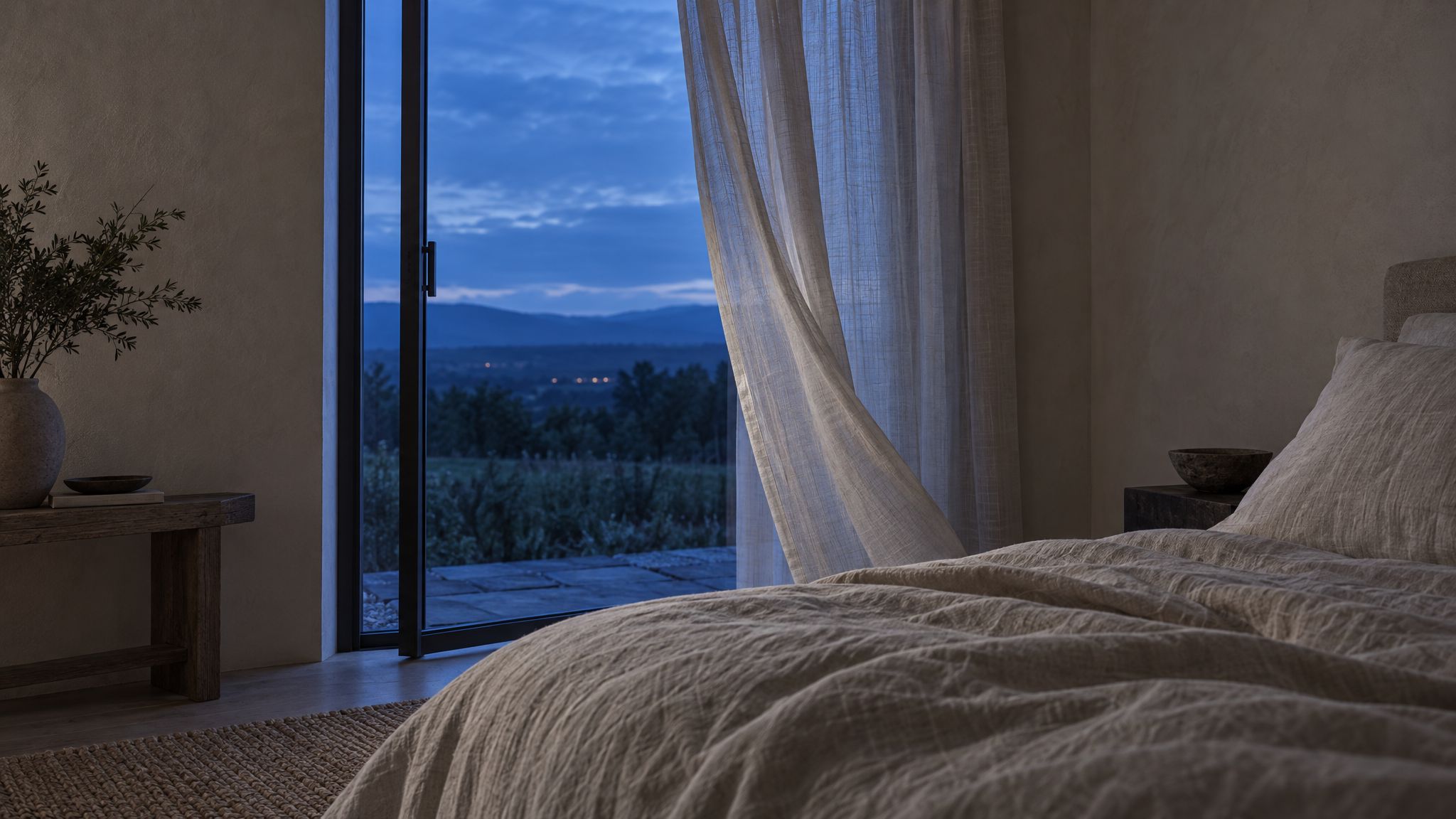 Your bedroom and sleep
The bedroom has a say in how you sleep, and most of us know it from a close summer night spent on top of the duvet, or from waking in the small hours…
Your bedroom and sleep
The bedroom has a say in how you sleep, and most of us know it from a close summer night spent on top of the duvet, or from waking in the small hours…
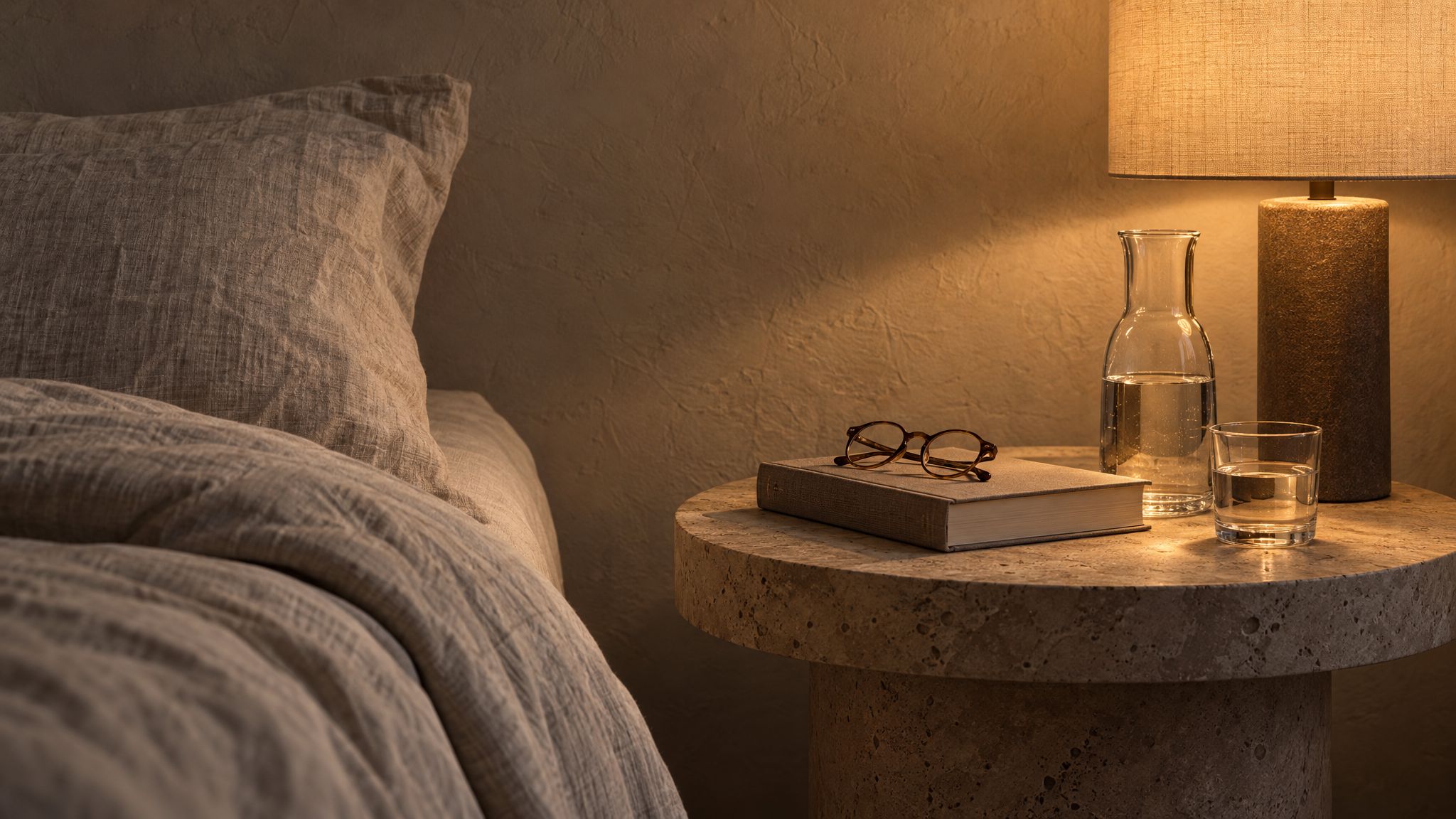 An evening routine that works
Arriving at lights out with the mind still running is the problem an evening routine is meant to solve. Turning the lamp off halfway through tomorrow's…
An evening routine that works
Arriving at lights out with the mind still running is the problem an evening routine is meant to solve. Turning the lamp off halfway through tomorrow's…
 Naps
A nap can go wrong in two ways. The first is waking from it slower and foggier than before you lay down. The second shows up hours later, when a nap taken…
Naps
A nap can go wrong in two ways. The first is waking from it slower and foggier than before you lay down. The second shows up hours later, when a nap taken…
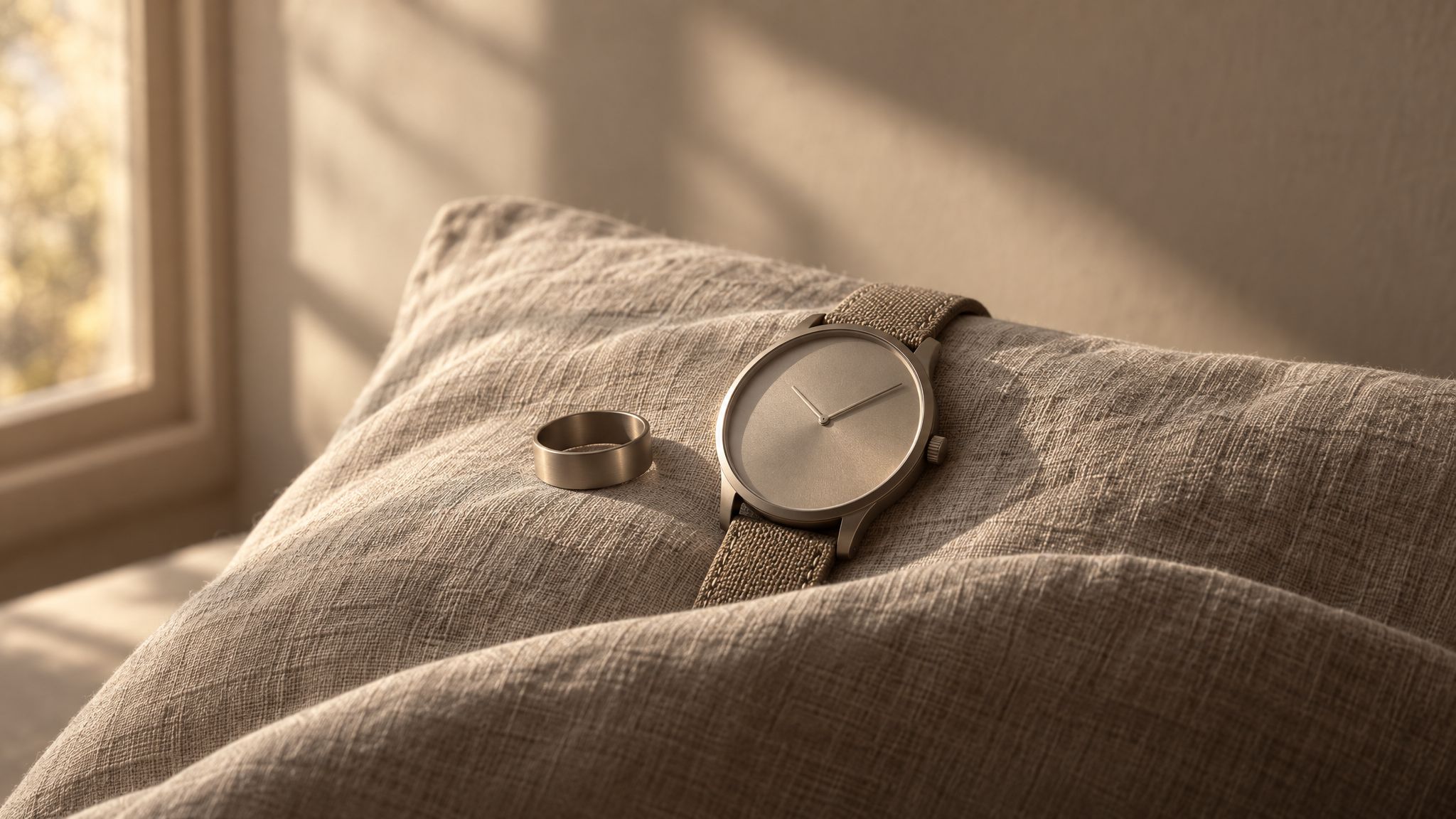 Sleep trackers
The morning numbers are persuasive. People check the sleep score before deciding how they feel, and some wake feeling fine only to be told by a ring that…
Sleep trackers
The morning numbers are persuasive. People check the sleep score before deciding how they feel, and some wake feeling fine only to be told by a ring that…
 Sleeping after night shifts
If you work nights, the pattern may be familiar. You get home exhausted, yet sleep is slow to come, or it comes and then ends around midday with nowhere…
Sleeping after night shifts
If you work nights, the pattern may be familiar. You get home exhausted, yet sleep is slow to come, or it comes and then ends around midday with nowhere…
 How much sleep do you need?
Plenty of people measure their nights against a number, usually eight hours, and either worry about falling short of it or wonder whether the six or so…
How much sleep do you need?
Plenty of people measure their nights against a number, usually eight hours, and either worry about falling short of it or wonder whether the six or so…
 How new habits stick
The first week of any change to your evenings tends to feel like effort. You have to remember to dim the lights, and then decide all over again that…
How new habits stick
The first week of any change to your evenings tends to feel like effort. You have to remember to dim the lights, and then decide all over again that…
 Help for long-running sleep problems
You may have tried the usual sleep advice and still lie awake most nights. If trouble getting to sleep or staying asleep has gone on for months and is…
Help for long-running sleep problems
You may have tried the usual sleep advice and still lie awake most nights. If trouble getting to sleep or staying asleep has gone on for months and is…
For employers
The Sleep Map for your organisation
These articles are part of the Sleep Map, the sleep programme Future Wellness Group runs for employers. Each person keeps a sleep diary for 14 mornings and gets a personal four-week plan built from it, with group sessions and a short weekly check-in along the way. Your organisation sees how sleep across the group has changed, with names removed. Nobody’s individual answers are shared.
Tell us a little about your organisation and we’ll come back to you within two working days.