Longer than a Briefing issue and revisable. Where an issue is a dated ruling, an article is the reference we maintain.
Every article carries a last reviewed date and, once revised, a note saying what changed. If the date is old, treat the piece as old.
 Nutrition and claims
There is no shared scale, no shared load and no shared instrument behind a mattress or pillow firmness number, which is why two products at the same rating behave differently under the same body.
Last reviewed 14 October 2026
 Measurement and wearables
A readiness score describes how the body responded to yesterday's load. It cannot say whether the system producing that response is running at the amplitude it is capable of, and that is a different question needing a different framework.
Last reviewed 14 September 2026
Sleep and circadian
Most performance problems are not problems with a moment. They are problems with a day that has lost its shape, and the case for treating the twenty-four hour cycle as a single biological event.
Last reviewed 14 September 2026
 Built environment
Carbon dioxide in a sealed meeting room passes 1000 ppm inside fifteen to twenty minutes at normal occupancy, which is the range where measured decision making and response speed begin to fall. The room sets the ceiling, not the agenda.
Last reviewed 14 September 2026
 Business of wellness
Hardware alone no longer carries the sale. Operators are buying outcomes, evidence and environments, and manufacturers who cannot supply those are left competing on price.
Last reviewed 14 September 2026
 Built environment
Nobody sleeps on a mattress. They sleep inside three thermal microclimates sitting between body, clothing and bedding, and those determine sleep onset, depth and recovery.
Last reviewed 14 September 2026
 Built environment
Scent reaches the limbic system faster than any other environmental input. Which aromas settle the nervous system, which raise it, and why familiarity matters more than the note itself.
Last reviewed 14 September 2026
 Business of wellness
Wellness is not self-care, fitness or a lifestyle upgrade. Set against the WHO definition and the Travis illness to wellness continuum, it is active movement towards improved functioning, and it is not the same thing as longevity.
Last reviewed 14 September 2026
 Business of wellness
The value of a stay is moving from amenity to measurable change in how a guest feels and functions. What that asks of the room, the data and the operator.
Last reviewed 14 September 2026
Business of wellness
Boomers bonded in pubs, millennials through curated experience, and Gen Z is buying presence and shared grounding. Gathering is being rebuilt around connection without the biological cost.
Last reviewed 14 September 2026
 Sleep and circadian
Disrupted circadian timing may not only follow neurodegeneration but contribute to it, through mis-timed repair and immune processes. The evidence is associative and the piece is hedged accordingly.
Last reviewed 14 September 2026
Business of wellness
The drink in the hand is doing identity and ritual work rather than intoxication work. Why the category grew, and what it tells hospitality about what guests are actually buying.
Last reviewed 14 September 2026
 Business of wellness
Wellness practice attends to diet, sleep and training, and ignores the air, light, temperature, sound and spatial design that shape all three. The missing skillset is reading the environment.
Last reviewed 14 September 2026
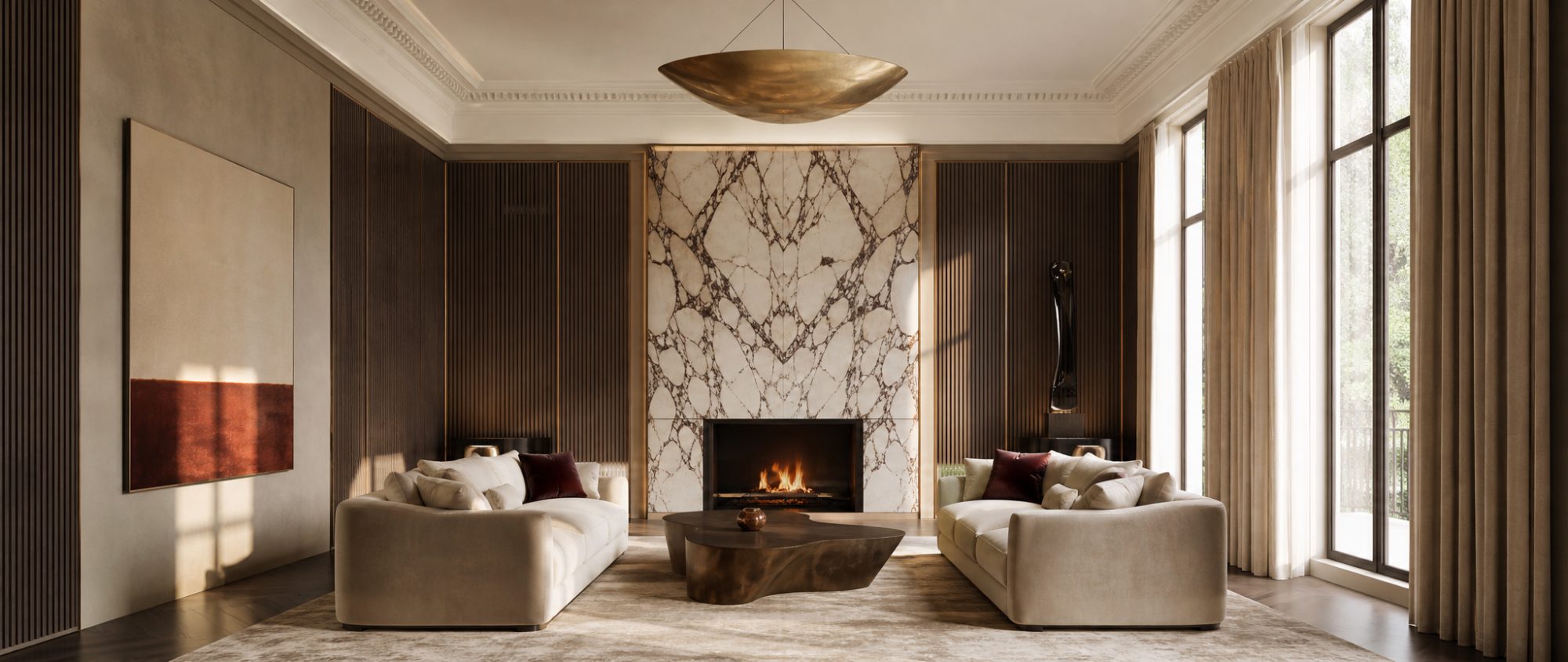 Sleep and circadian
Core temperature follows a circadian curve that governs waking alertness. What warmth and cold in the first hour do to that curve, and how to use them.
Last reviewed 14 September 2026
 Recovery modalities
Four to seven sessions a week is where the Finnish cohort data sits. What that evidence supports, what it does not, and how to structure a week of heat exposure.
Last reviewed 14 September 2026
 Built environment
Natural soundscapes measurably lower stress markers and improve sustained attention. Where they work, where masking is the better intervention, and what has to be removed first.
Last reviewed 14 September 2026
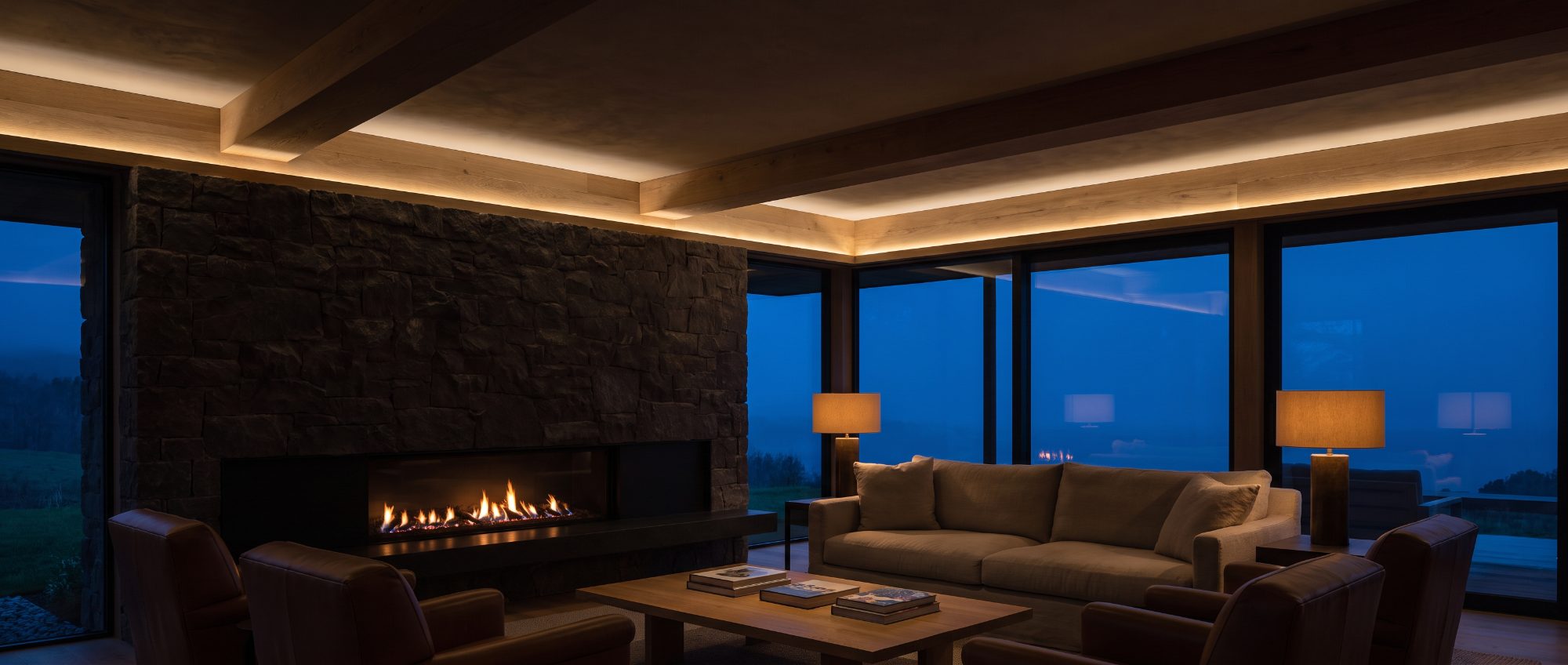 Sleep and circadian
One hemisphere stays partly vigilant on the first night in an unfamiliar room. Adaptive, but costly to recovery, and reducible by scaffolding the cues the brain reads as safe.
Last reviewed 14 September 2026
Built environment
Biophilic design has a measurable effect on stress, attention and dwell time, and a commercial case running alongside it. What the research supports, and where it is overstated.
Last reviewed 14 September 2026
 Recovery modalities
Cold water works on time multiplied by temperature, not on endurance. Where the dose response sits, how cold response differs between men and women, and how to progress without risk.
Last reviewed 14 September 2026
Sleep and circadian
Training does not compete with sleep, but its timing changes sleep onset and depth. Why morning sessions usually win, and how to manage a late session without paying for it.
Last reviewed 14 September 2026
Sleep and circadian
Familiar cues of temperature, scent, light and routine let the nervous system read an unfamiliar room as safe. A protocol for protecting recovery on the move, including social jet lag.
Last reviewed 14 September 2026
 Business of wellness
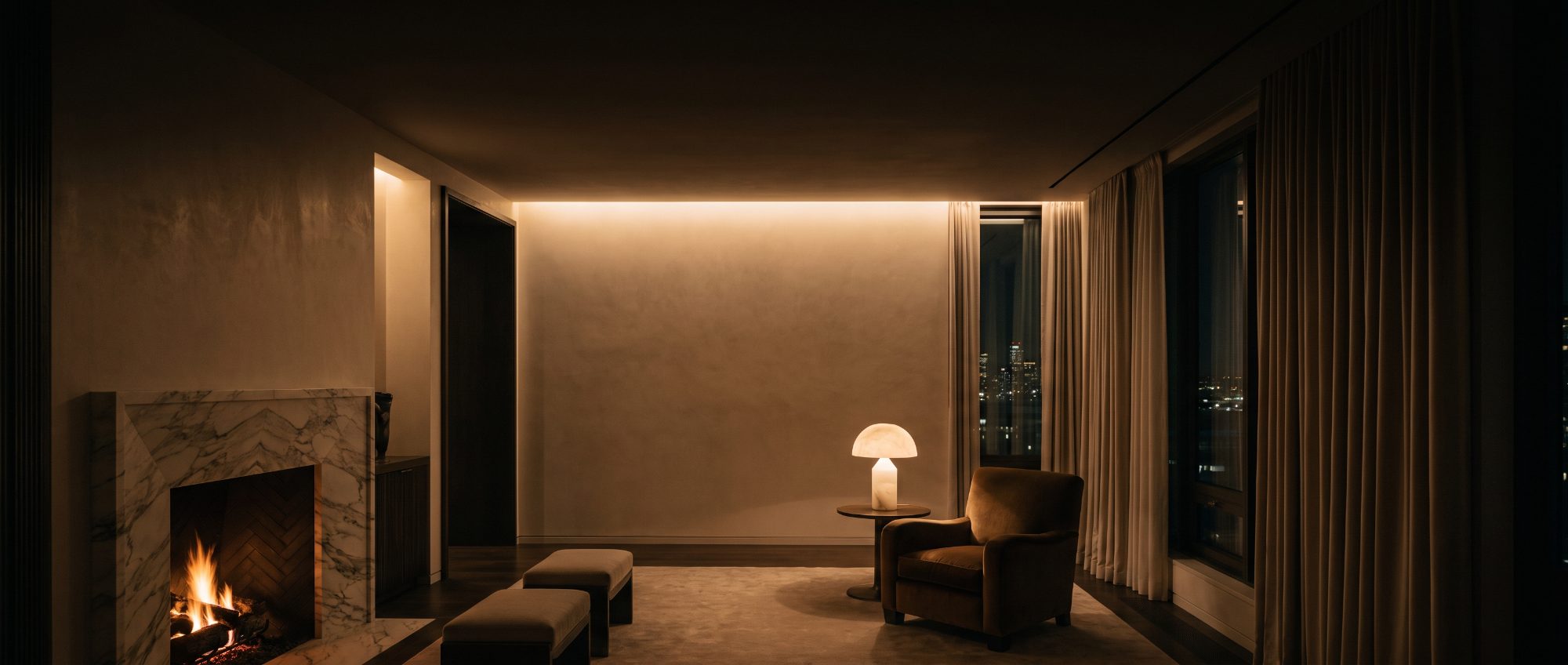
Rest is becoming the reason for the trip rather than a condition of it. What operators are specifying, what is evidenced, and what is decoration.
Last reviewed 14 September 2026
Business of wellness
The workplace is more connected and more isolated at once. What the engagement and wellbeing data says about connection at work, and what it asks of the space.
Last reviewed 14 September 2026
Sleep and circadian
Consolidation is not a by-product of sleep, it is one of its functions. How stage architecture maps onto learning, and what short sleep costs in retention.
Last reviewed 14 September 2026
Sleep and circadian
A one hour clock change is a mild, population-wide circadian insult, and its effects are measurable for days. What it shares with travel and social jet lag, and how to blunt it.
Last reviewed 14 September 2026
Sleep and circadian
A normal day contains a sequence of avoidable anxiogenic inputs, most of them timed badly rather than wrong in themselves. Where they sit, and what to move.
Last reviewed 14 September 2026
Sleep and circadian
Caffeine has a quarter-life long enough to reach the sleep window from a mid-afternoon cup. How it changes deep sleep specifically, and the cut-off that follows from its half-life.
Last reviewed 14 September 2026
 Business of wellness
Sleep is the first thing senior people give up and the last thing they measure. What the survey evidence says about leaders, sleep debt and the cost of treating rest as discretionary.
Last reviewed 14 September 2026
